Drug Allergies: What They Are, How They Happen, and What to Do
When your body mistakes a medication for a threat, it triggers a drug allergy, an immune system overreaction to a medication that can range from mild rash to life-threatening shock. Also known as medication hypersensitivity, it’s not just a side effect—it’s your immune system attacking something meant to help you. This isn’t about feeling nauseous or dizzy from a pill. Those are side effects. A true drug allergy means your body has learned to see that drug as an invader, like pollen or peanuts, and reacts with antibodies, histamine, and inflammation.
Some drugs are far more likely to cause this than others. Penicillin and sulfa antibiotics are top culprits, but even common painkillers like ibuprofen or aspirin can trigger reactions in some people. The reaction might show up minutes after taking the pill—or days later. A rash, hives, or swelling around the lips and eyes are early signs. But if you start wheezing, your throat tightens, or your blood pressure drops, that’s anaphylaxis, a sudden, severe, and potentially fatal allergic reaction requiring immediate emergency care. It’s not rare: nearly 1 in 5 people report a drug allergy, but studies show over half of those reports are wrong—often confused with side effects or intolerances. That’s why pharmacy allergy alerts, automated warnings in electronic health records that flag potential allergic reactions can be both lifesaving and misleading. Many are false positives, but ignoring one could cost you your life.
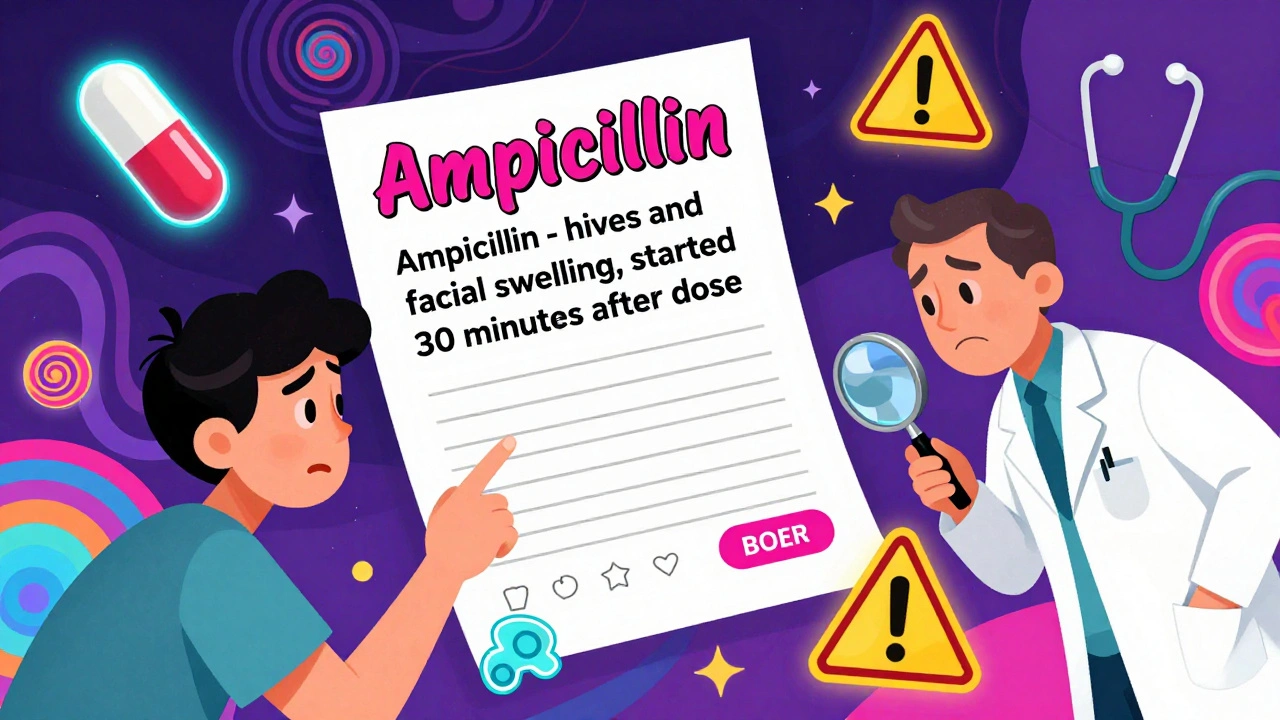
Knowing the difference matters. If you’ve had a reaction, write down the drug, the symptom, and when it happened. Don’t just say "I’m allergic to penicillin"—be specific. Was it a rash? Swelling? Trouble breathing? That info helps your doctor decide if you truly need to avoid it forever or if you can safely try it again. Some allergies fade over time. Others don’t. And if you’re unsure, an allergist can test you with a small, controlled dose under supervision.
Every time you get a new prescription, check the label. Ask your pharmacist: "Is this the same as the one that made me sick before?" Even if you’ve taken it safely years ago, your body can change. And if you’re ever in doubt—stop the drug and call your doctor. A mild rash today could be the warning sign before something worse tomorrow.
Below, you’ll find real stories and expert advice on how to spot a real drug allergy, how to talk to your doctor about it, how to handle false alarms from pharmacy systems, and what to do if you’ve been wrongly labeled allergic. This isn’t just theory—it’s what keeps people alive.
How to Safely Document Drug Allergies in Your Medical Records
Dec, 3 2025
Learn how to accurately document drug allergies in your medical records to prevent dangerous medication errors. Know what details to include, why vague entries are risky, and how to ensure your records keep you safe.