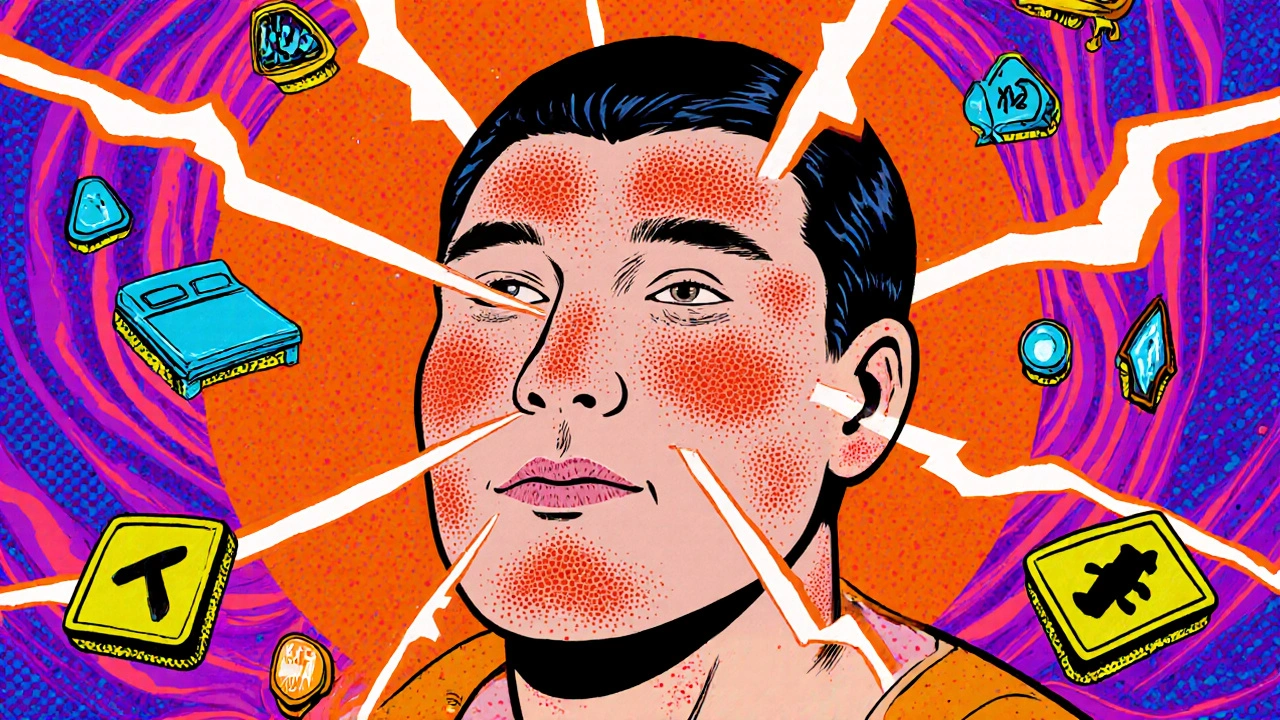
Tanning Beds: Risks, Alternatives, and What You Need to Know
When you use a tanning bed, a device that emits ultraviolet (UV) radiation to darken the skin. Also known as sunbeds, they’re marketed as a quick way to get a tan—but the cost to your skin is real. The World Health Organization classifies tanning beds as Group 1 carcinogens, the same category as tobacco and asbestos. That’s not a scare tactic—it’s based on decades of research showing a direct link between indoor tanning and melanoma, the deadliest form of skin cancer.
It’s not just about cancer. Tanning beds flood your skin with UVA rays, which penetrate deeper than sunlight. This breaks down collagen and elastin, leading to premature wrinkles, leathery texture, and dark spots long before you’d normally see them. And no, a "base tan" doesn’t protect you. A tan is your skin’s response to DNA damage—it’s not a shield, it’s a warning sign. People who start using tanning beds before age 35 raise their melanoma risk by 75%. That’s not a small number—it’s a life-altering gamble.
Many still turn to tanning beds because they think it’s the only way to look tan, especially in winter. But there are safer options. Self-tanners with DHA give you color without UV exposure. Bronzing powders and sprays work instantly. Even vitamin D supplements can help if you’re worried about deficiency from avoiding the sun. And if you’re using tanning beds to boost your mood? Light therapy boxes that filter out UV rays can help with seasonal depression without the cancer risk.
Some clinics still push tanning as a "health benefit," but the science doesn’t back it. There’s no proven benefit that outweighs the risk. The FDA requires warning labels on tanning beds for a reason. If you’ve used one before, don’t panic—but do start checking your skin regularly. Look for moles that change shape, bleed, or grow. Catch melanoma early, and survival rates jump to over 99%.
Below, you’ll find real, practical posts that dig into the health effects of UV exposure, how medications interact with sunlight, and what actually works for skin health without risking your future. No fluff. No marketing. Just what you need to protect yourself.
Actinic Keratosis: Why Tanning Beds Are Making This Skin Condition Worse
Nov, 18 2025
Actinic keratosis is a precancerous skin condition fueled by UV damage - and tanning beds are making it worse. Learn how to spot it, treat it, and stop it before it turns into skin cancer.