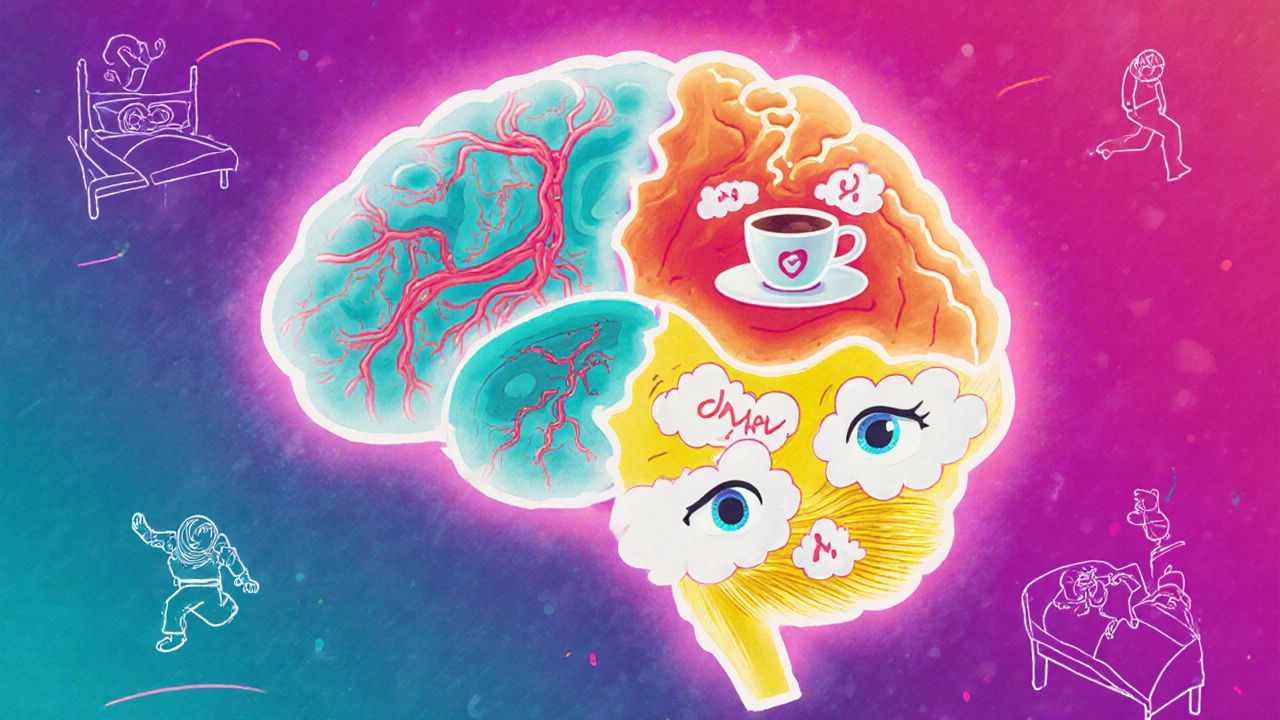
Lewy body dementia: Symptoms, causes, and how medications interact with this brain condition
When someone has Lewy body dementia, a progressive brain disorder caused by abnormal protein deposits called Lewy bodies that disrupt normal brain function. Also known as dementia with Lewy bodies, it’s not just memory loss—it’s a mix of confusion, movement problems, and vivid hallucinations that can come and go. This is different from Alzheimer’s, where memory fades slowly. In Lewy body dementia, people often have sudden shifts in attention, trouble with balance, and see things that aren’t there—like people or animals in the room.
Lewy body dementia often overlaps with Parkinson’s disease, because both involve the same protein clumps in the brain. Many people with Parkinson’s eventually develop dementia too, and the line between the two can blur. What makes it tricky is how sensitive these patients are to medications. Antipsychotics meant to calm hallucinations can make movement worse—or even trigger life-threatening reactions. Even common drugs like certain antihistamines or bladder medications can cause severe confusion. That’s why knowing which drugs to avoid is just as important as knowing which ones help. For example, cholinesterase inhibitors like rivastigmine are often used to boost thinking skills, but they don’t fix the movement issues. And if someone’s already on a blood pressure pill or an antidepressant, the interactions can be unpredictable.
Managing Lewy body dementia isn’t about one magic pill. It’s about balancing brain chemistry, movement, sleep, and safety. Sleep disorders like REM sleep behavior disorder—where people act out their dreams—are common and often show up years before other symptoms. Melatonin or low-dose clonazepam might help, but only under careful supervision. And because these patients are so sensitive, even small changes in medication timing or dosage can make a big difference. That’s why many caregivers end up tracking symptoms daily: when did the confusion start? Did the hallucinations get worse after a new drug? Was the person more rigid after eating? These details matter more than you’d think.
There’s no cure yet, but understanding how this condition works helps you ask the right questions. Is this new behavior part of the disease—or a reaction to a drug? Should we try a different dose? Is there a safer alternative? The posts below cover real-world cases: how certain medications affect cognition, why some side effects are mistaken for worsening dementia, and what tools caregivers use to spot early changes. You’ll find guides on managing hallucinations without antipsychotics, how to talk to doctors about drug risks, and what supplements or lifestyle tweaks might support brain health without adding danger. This isn’t theoretical—it’s what people are actually doing to keep their loved ones safer, calmer, and more in control.
Dementia Types: Vascular, Frontotemporal, and Lewy Body Explained
Nov, 19 2025
Vascular, frontotemporal, and Lewy body dementia are distinct conditions with unique symptoms, causes, and treatments. Misdiagnosis is common and dangerous. Learn how to tell them apart and what steps to take for proper care.