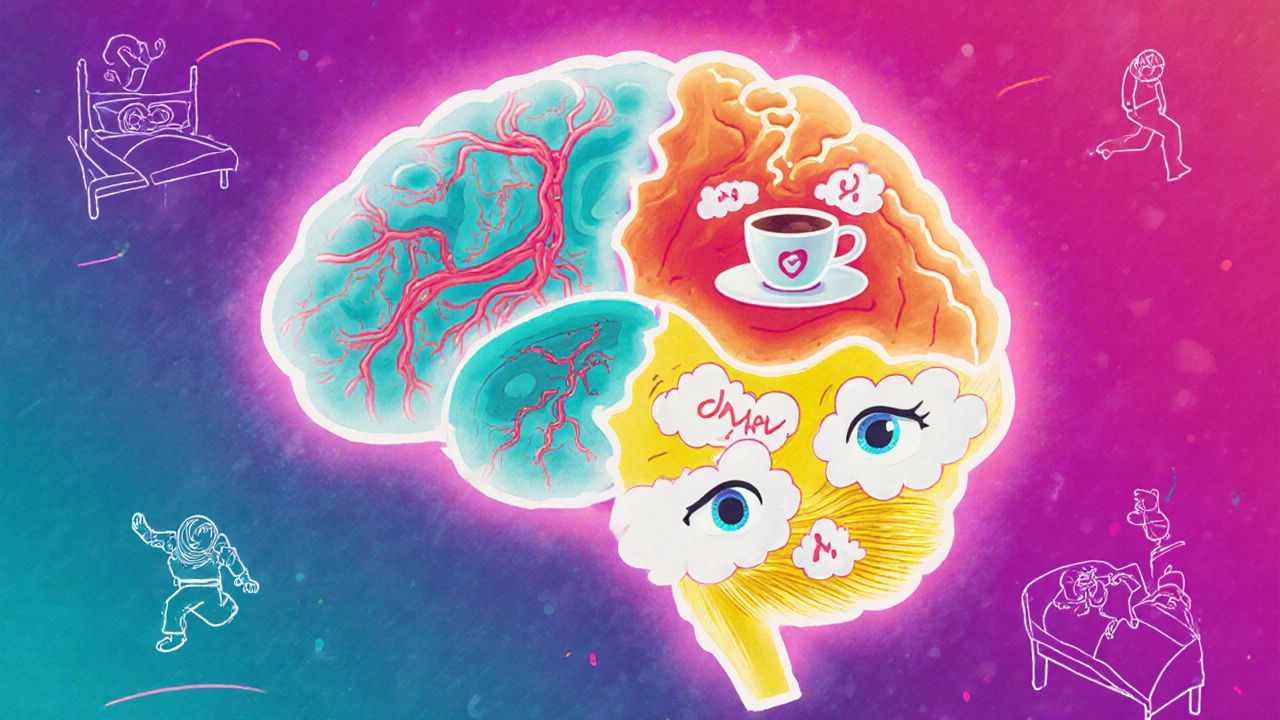
Dementia Symptoms: What to Watch For and When to Act
When someone starts forgetting names, repeating questions, or losing track of time, it’s easy to brush it off as just getting older. But dementia symptoms, a group of conditions that cause progressive decline in memory, thinking, and behavior. Also known as cognitive decline, it’s not a normal part of aging—it’s a warning sign that something deeper is happening in the brain. Unlike occasional forgetfulness, dementia symptoms get worse over time and start to interfere with daily life. Someone might forget how to pay a bill, get lost in familiar places, or struggle to follow a conversation. These aren’t just quirks—they’re signals.
There are many types of dementia, but the most common is Alzheimer’s disease, a brain disorder that slowly destroys memory and thinking skills. Other forms include vascular dementia, caused by reduced blood flow to the brain, and Lewy body dementia, which often brings hallucinations and movement problems. Each has its own pattern of symptoms, but they all share key signs: memory loss that disrupts daily life, trouble planning or solving problems, confusion with time or place, and changes in mood or personality. You might notice someone withdrawing from hobbies, becoming suspicious of loved ones, or having trouble finding the right words. These aren’t just "bad days." They’re patterns.
What makes dementia tricky is that early symptoms can look like stress, depression, or even side effects from medications. A person might seem forgetful because they’re not sleeping well, or confused because they’re on a new blood pressure pill. That’s why it’s important to track changes over weeks and months—not days. If someone’s memory issues are getting worse, especially if they’re affecting their ability to work, drive, or manage money, it’s time to see a doctor. Blood tests, brain scans, and cognitive assessments can help rule out other causes and point to dementia if it’s there.
Early detection doesn’t mean a cure, but it does mean more control. Medications can help slow symptoms. Lifestyle changes—like staying active, eating well, and keeping socially connected—can make a real difference. And planning ahead gives families time to talk about care, finances, and legal decisions before crisis hits. The posts below cover what you need to know: how to spot the earliest signs, what tests doctors use, how other conditions mimic dementia, and what real people are doing to manage symptoms at home. This isn’t about fear—it’s about knowing what’s happening and taking smart steps before it’s too late.
Dementia Types: Vascular, Frontotemporal, and Lewy Body Explained
Nov, 19 2025
Vascular, frontotemporal, and Lewy body dementia are distinct conditions with unique symptoms, causes, and treatments. Misdiagnosis is common and dangerous. Learn how to tell them apart and what steps to take for proper care.