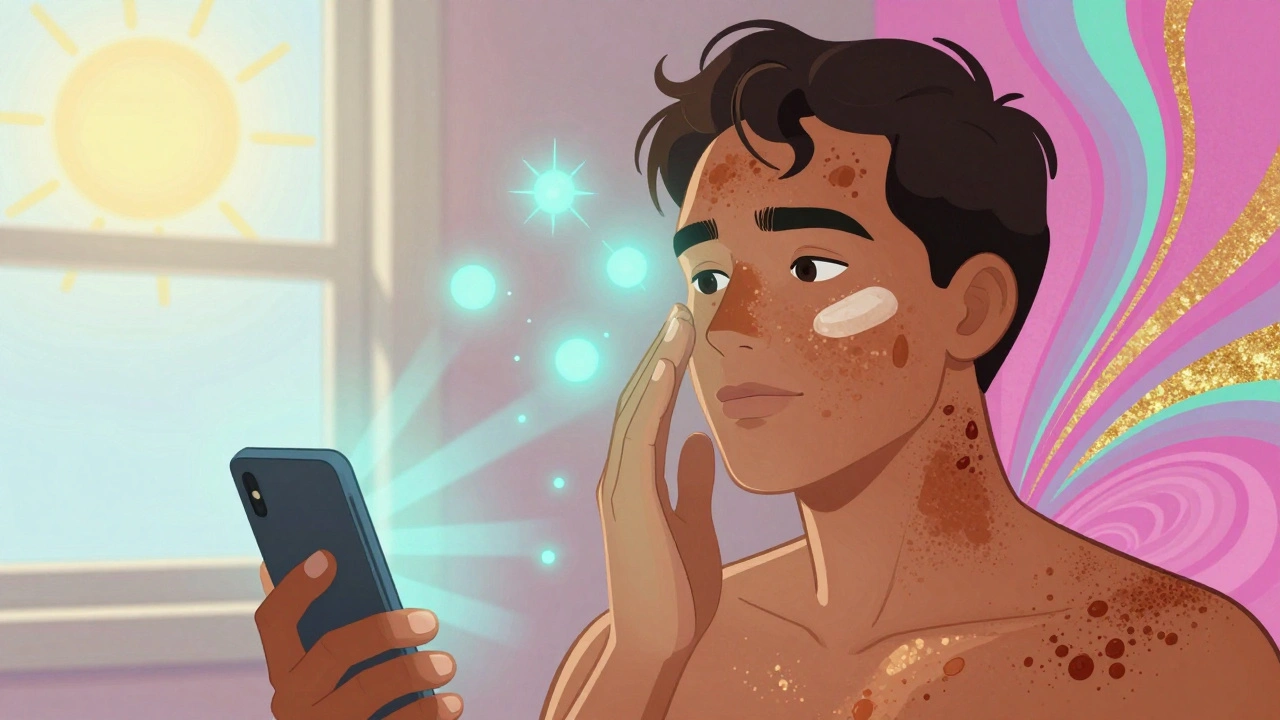
When you have darker skin, a pimple doesn’t just heal and disappear. It leaves behind a dark spot that can last for months-or even years. That’s not just a cosmetic issue. For many people, these marks affect confidence, daily routines, and how they see themselves. The same goes for raised, itchy scars that grow beyond the original wound. These are hyperpigmentation and keloids-two common but often misunderstood skin conditions that hit harder in skin of color.
Why Hyperpigmentation Hits Harder in Darker Skin
Hyperpigmentation isn’t just a sunburn that won’t fade. It’s when your skin’s pigment cells-melanocytes-go into overdrive and dump too much melanin into the skin. The result? Tan, brown, or gray patches that stick around long after the original injury or inflammation is gone. This isn’t random. People with skin of color have more active melanocytes. That means even a small scratch, acne breakout, or rash can trigger a strong pigmentation response. The American Society for Dermatologic Surgery calls this post-inflammatory hyperpigmentation, or PIH, and says it’s far more common-and more persistent-in darker skin tones.Unlike lighter skin, where redness fades quickly, darker skin turns dark. That’s because melanin doesn’t just respond to UV light. It reacts to inflammation, hormones, and even friction from clothing or hair removal. Acne is the #1 trigger. A single breakout can leave behind multiple dark spots. Sun exposure makes it worse. Blue light from phones and screens? That can darken spots too. And melasma-those symmetrical brown patches on the cheeks, forehead, or upper lip-isn’t just a ‘pregnancy mask.’ It’s a chronic condition that flares with hormones, heat, and sunlight, and it’s significantly more common in women with darker skin.
Why Sunscreen Isn’t Optional-It’s Essential
You’ve heard it before: wear sunscreen. But for skin of color, this isn’t a suggestion. It’s non-negotiable. Many assume melanin protects them fully. It doesn’t. UV rays still damage skin cells and trigger more pigment production. Plus, visible and infrared light from the sun and screens can worsen dark spots. That’s why tinted sunscreens with iron oxides are now a game-changer. They block blue light and blend naturally with deeper skin tones, making daily use easier and more effective.Use a broad-spectrum SPF 30 or higher every single day-even when it’s cloudy. Apply it 15 minutes before going outside. Reapply every two hours if you’re out in the sun. Cover your neck, ears, hands, and chest. Wear wide-brimmed hats and long sleeves when possible. Skipping sunscreen won’t just make existing spots darker. It’ll make new ones form faster.
Treatment Starts With the Right Skincare
There’s no magic cream that erases hyperpigmentation overnight. But a smart, consistent routine can make a huge difference. First-line treatment isn’t lasers or peels. It’s a simple, gentle skincare regimen built on three pillars: sunscreen, moisturizer, and brightening agents.Topical treatments like hydroquinone, azelaic acid, vitamin C, kojic acid, and tretinoin are the backbone of treatment. Hydroquinone is still one of the most effective, but it’s not for everyone. Some people develop irritation or a rare condition called ochronosis with long-term use. That’s why dermatologists often start with gentler options like azelaic acid or vitamin C, especially for sensitive skin. Tretinoin helps speed up cell turnover, fading spots over time. Newer options like tranexamic acid and 5% cysteamine cream are showing strong results with fewer side effects. These are prescription-strength, so you need a dermatologist’s guidance.
Don’t underestimate moisturizers. Dry skin worsens inflammation, which triggers more PIH. Use fragrance-free, non-comedogenic moisturizers daily. And avoid harsh scrubs, alcohol-based toners, or DIY remedies like lemon juice. These can irritate skin and make dark spots worse.
Keloids: More Than Just Scars
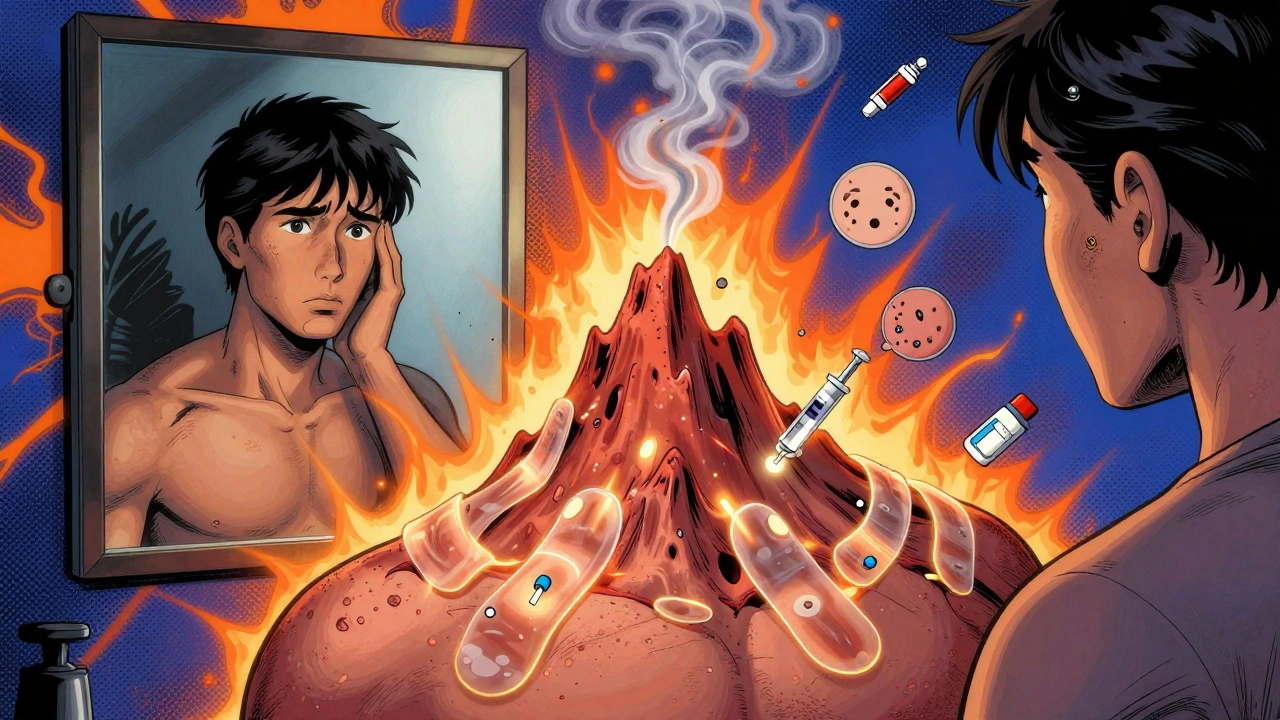
While hyperpigmentation leaves flat discoloration, keloids are raised, thickened scars that grow beyond the original wound. They’re firm, sometimes itchy or painful, and often darker than the surrounding skin. They’re not dangerous, but they can be emotionally crushing-especially when they form on the chest, shoulders, ears, or jawline. People with African, Asian, or Hispanic ancestry are up to 15 times more likely to develop keloids than those with lighter skin.Keloids don’t just come from cuts or piercings. They can form after acne, chickenpox, even minor bumps or vaccinations. Once they start growing, they rarely stop on their own. And unlike regular scars, they don’t flatten over time. That’s why early intervention matters.
Treatment is complex. Steroid injections are often the first step-they help flatten and soften the scar. Silicone gel sheets or pressure earrings (for ear keloids) can prevent growth and reduce size. Laser therapy can reduce redness and smooth texture. Cryotherapy freezes the tissue, but it carries a risk of pigment loss in darker skin. Surgery alone? High chance of recurrence. That’s why most dermatologists combine treatments: injections + laser, or pressure + silicone, for example.
Prevention is key. If you know you’re prone to keloids, avoid unnecessary piercings, tattoos, or elective surgeries. Treat acne aggressively to prevent deep inflammation. If you do get a wound, keep it covered with silicone gel or pressure dressing from day one.
Why DIY and Over-the-Counter Products Often Fail
You’ll see ads for brightening serums, dark spot correctors, and ‘natural’ remedies. Many are useless. Some are harmful. Ingredients like hydroquinone are regulated because they can cause serious side effects if misused. Over-the-counter versions often contain too little to work-or too much, leading to irritation.Products with ‘bleaching’ claims are misleading. Melanin isn’t dirt. You can’t scrub it off. These products often contain harsh acids or steroids that thin the skin, cause rebound pigmentation, or trigger contact dermatitis. What works for one skin tone can damage another. A treatment that fades a light spot might leave a white patch on darker skin.
Don’t chase quick fixes. Progress takes months. Patience and consistency matter more than any product label.
When to See a Dermatologist
If you’ve tried over-the-counter products for 3-4 months with no change, it’s time to see a specialist. Also, see a dermatologist if:- Your dark spots are spreading or getting darker
- You’re developing raised, growing scars
- You have recurring acne that leaves marks
- You’re pregnant or on hormonal birth control and notice new facial patches
- You’ve had a skin injury and are prone to thick scars
A dermatologist can rule out other conditions like fungal infections or early signs of skin cancer. They can prescribe targeted treatments and monitor your progress. Regular check-ins are especially important if you have a history of PIH or keloids.
The Emotional Toll
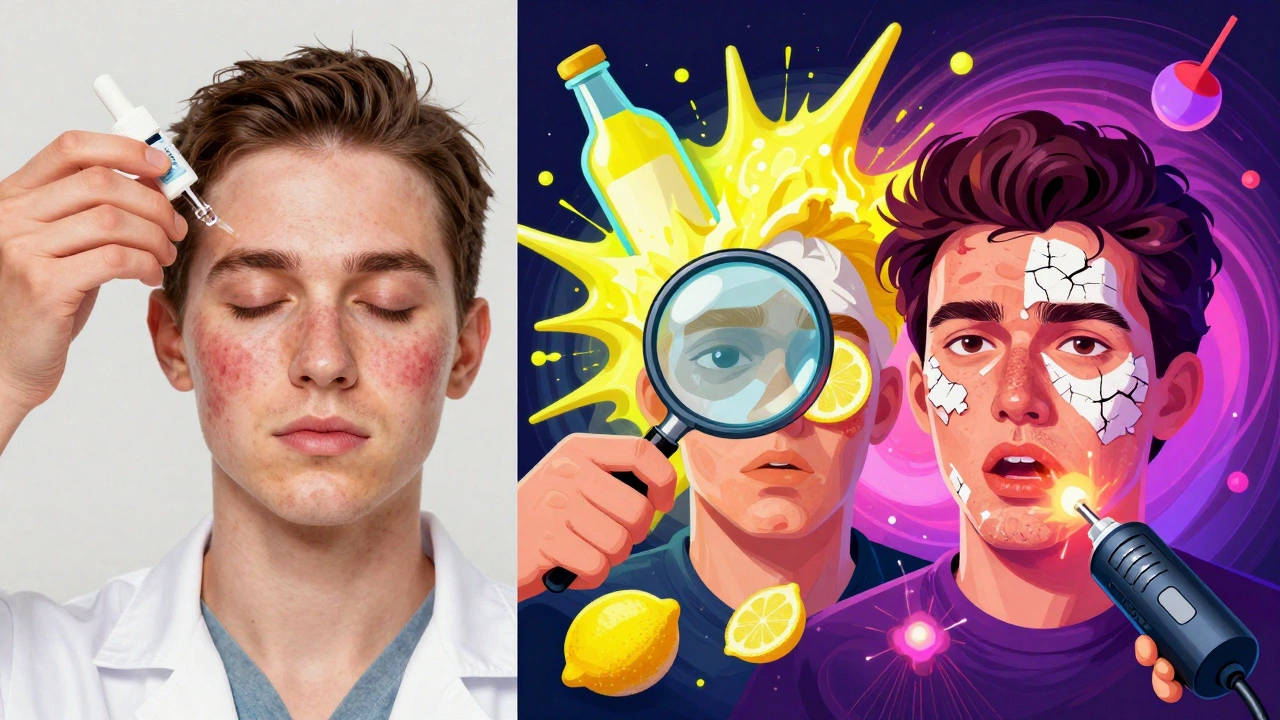
No one talks enough about how much these conditions affect mental health. Dark spots and keloids can make people avoid mirrors, skip social events, or wear heavy makeup even in heat. Studies show people with visible skin conditions report higher rates of anxiety and depression. This isn’t vanity. It’s real emotional burden. Effective treatment isn’t just about skin-it’s about restoring confidence.That’s why the best care combines medical treatment with psychological support. Dermatologists who specialize in skin of color understand this. They don’t just treat the pigment. They listen to the person behind it.
What Works-and What Doesn’t
Here’s a quick guide to what’s proven and what’s risky:| Effective | Risky or Ineffective |
|---|---|
| Tinted sunscreen with iron oxides | DIY lemon juice or vinegar treatments |
| Prescription hydroquinone (short-term) | Over-the-counter ‘bleaching’ creams |
| Azelaic acid, vitamin C, tranexamic acid | Harsh chemical peels without expert supervision |
| Steroid injections for keloids | Trying to cut or pop keloids at home |
| Silicone gel sheets | Using retinoids without moisturizer or gradual introduction |
| Combination laser therapy (low-energy, spaced sessions) | High-intensity IPL or lasers not calibrated for dark skin |
Remember: what works fast for one person might cause damage in another. Treatment must be personalized.
Long-Term Management Is the Goal
There’s no cure for hyperpigmentation or keloids. But there is control. With the right approach, you can keep them from worsening, fade existing marks, and prevent new ones. It’s not about perfection. It’s about progress. A spot that fades from dark brown to light tan is still progress. A keloid that stops growing and becomes softer? That’s a win.Stick with your routine. Use sunscreen daily. See your dermatologist regularly. Don’t give up when results are slow. These conditions take months to improve-and even longer to stay away. But they’re manageable. You don’t have to live with them defining how you feel about your skin.
Can hyperpigmentation go away on its own?
Sometimes, yes-but it can take months to over a year. Post-inflammatory hyperpigmentation often fades slowly once the trigger (like acne or irritation) is gone. But without sun protection and proper skincare, it can linger or get worse. For melasma or deep PIH, it rarely disappears without treatment.
Are keloids dangerous?
Keloids aren’t cancerous or life-threatening. But they can be painful, itchy, or restrict movement if they form over joints. Their biggest impact is emotional. Many people feel self-conscious or anxious about their appearance, especially if keloids are visible on the face, neck, or chest.
Can I use hydroquinone if I have dark skin?
Hydroquinone can be effective for dark skin, but it must be used carefully. Long-term use (over 6 months) carries a small risk of ochronosis-a condition where skin turns blue-black. Dermatologists usually prescribe it in short cycles (2-4 months), then switch to alternatives like azelaic acid or tranexamic acid to maintain results.
Why do some treatments make my skin darker?
Harsh treatments-like strong chemical peels, unregulated lasers, or abrasive scrubs-can irritate dark skin and trigger more melanin production. This is called post-inflammatory hyperpigmentation. It’s the opposite of what you want. Always choose treatments designed for skin of color and work with a dermatologist who has experience treating darker skin tones.
Is laser treatment safe for hyperpigmentation in dark skin?
Yes-but only with the right laser and expert settings. Lasers like Nd:YAG or low-energy Q-switched devices can be safe and effective. But many clinics use IPL or high-energy lasers meant for lighter skin, which can burn or darken dark skin. Always ask about the laser type, settings, and the provider’s experience with skin of color before proceeding.
If you’re dealing with dark spots or raised scars, you’re not alone. These conditions are common, treatable, and nothing to be ashamed of. The key is getting the right care-early, consistent, and tailored to your skin. Don’t settle for guesswork. Find a dermatologist who understands skin of color. Your skin deserves that level of expertise.
Grant Hurley
December 2, 2025 AT 18:20Finally someone gets it. I’ve been using tinted SPF with iron oxides for 6 months and my PIH is way less noticeable. No more looking like I have a filter on my face.
Lucinda Bresnehan
December 4, 2025 AT 15:13As a Black woman who’s tried every ‘brightening’ serum on Amazon, I can confirm: sunscreen is the real MVP. No magic cream beats daily protection. Also, moisturize. Dry skin = more dark spots. Simple.
Shannon Gabrielle
December 5, 2025 AT 00:07Wow. Another ‘skin of color’ lecture. Next you’ll tell me melanin isn’t a force field. Newsflash: I’ve had acne since 14 and my scars are still here. You think I don’t know to wear sunscreen? I’ve been wearing SPF 50 since I was 12. It didn’t help. So what now?
patrick sui
December 5, 2025 AT 23:37Shannon, your frustration is valid - and honestly, it’s why we need better clinical trials focused on pigmentation in Fitzpatrick IV-VI skin. The data gap is real. Most photoprotection studies were done on light skin. We’re still playing catch-up. Tinted sunscreens? They’re not marketing. They’re science. Iron oxides block visible light - which triggers PIH independently of UV. It’s not just ‘sunscreen.’ It’s photoprotection, engineered.
And yeah, SPF alone won’t erase 10 years of PIH. But combined with azelaic acid + tranexamic acid? That’s the trifecta. I’ve seen patients go from hyperpigmented to 70% clearer in 8 months. Not overnight. But real.
Nnaemeka Kingsley
December 7, 2025 AT 18:40Bro, I’m from Nigeria and keloids run in my family. My uncle got one from a pimple. I avoid piercings like the plague. But if you do get one, silicone sheets are your best friend. I wear mine 24/7 for 3 months. It shrunk mine by half. No injections needed.
Conor Forde
December 7, 2025 AT 20:25So let me get this straight - you’re telling me I can’t use lemon juice because it’s ‘harsh’? But I’ve been rubbing it on my face since high school and I look like a goddamn caramel latte. Who died and made you the dermatology pope? 🤨
Declan O Reilly
December 8, 2025 AT 14:45There’s a quiet revolution happening in dermatology - not with lasers or prescriptions, but with patience. We’ve been sold the myth of ‘overnight results.’ But skin doesn’t work like TikTok. It works like seasons. Winter fades to spring. PIH fades to soft tan. Keloids soften like old leather. It’s not magic. It’s biology. And it’s beautiful in its slowness.
Stop chasing perfection. Chase consistency. The skin remembers. It just takes longer to thank you.
Dennis Jesuyon Balogun
December 9, 2025 AT 04:25As a Nigerian dermatologist, I’ve seen too many patients come in after using ‘bleaching’ creams from the market. Some have chemical burns. Others have ochronosis. The worst part? They think they’re fixing their skin. They’re destroying it. We need community education - not just clinic visits. This post? It’s a start.
Hydroquinone isn’t evil. It’s a tool. Like a scalpel. Use it wrong? You cut yourself. Use it right? You heal. But only under supervision. Stop trusting Instagram influencers. Trust your derm.
Jaswinder Singh
December 9, 2025 AT 19:16My cousin got keloids from ear piercings. Tried everything. Steroid shots hurt like hell. Silicone sheets? She wore them like a mask for months. Now they’re flat. But she still hates looking in the mirror. This isn’t just skin. It’s trauma. We need therapists in dermatology clinics. Real talk.
Sean McCarthy
December 11, 2025 AT 05:12It's important to note that the American Academy of Dermatology recommends that patients with skin of color consult with board-certified dermatologists who have specific experience treating hyperpigmentation and keloids in pigmented skin. Not all dermatologists are trained in this. Many assume the same protocols apply universally. This is a critical oversight in medical education.
Bee Floyd
December 12, 2025 AT 03:09I used to hide my neck under turtlenecks because of PIH from acne. Then I started using vitamin C serum + SPF 50 daily. Took 9 months. No dramatic before-and-after. Just… less. I don’t wear turtlenecks anymore. That’s enough.
Jeremy Butler
December 13, 2025 AT 01:57One must acknowledge the epistemological framework underpinning contemporary dermatological discourse: the privileging of Western biomedical paradigms over indigenous or holistic modalities. The emphasis on topical pharmaceuticals and photoprotection, while empirically valid, may inadvertently marginalize culturally embedded practices of skin care - such as shea butter application, plant-based poultices, or ritualistic sun avoidance - which have demonstrated efficacy in non-Western populations for centuries. A truly inclusive medicine must integrate, not merely accommodate.
Kshitij Shah
December 14, 2025 AT 08:42India here. Melasma is a nightmare. I used to wear full face makeup even to the grocery store. Then my derm put me on tranexamic acid oral + tinted SPF. No more mask. Just me. And yeah, I still wear sunscreen like it’s my job. Because it is.