Symptom & Blocker Finder
Select your symptoms and lifestyle needs below to see which type of blocker usually applies.
Allergy & Skin (H1)
Digestion & Stomach (H2)
Recommendation Based on Your Input
Why Your Medicine Cabinet Is Confusing You
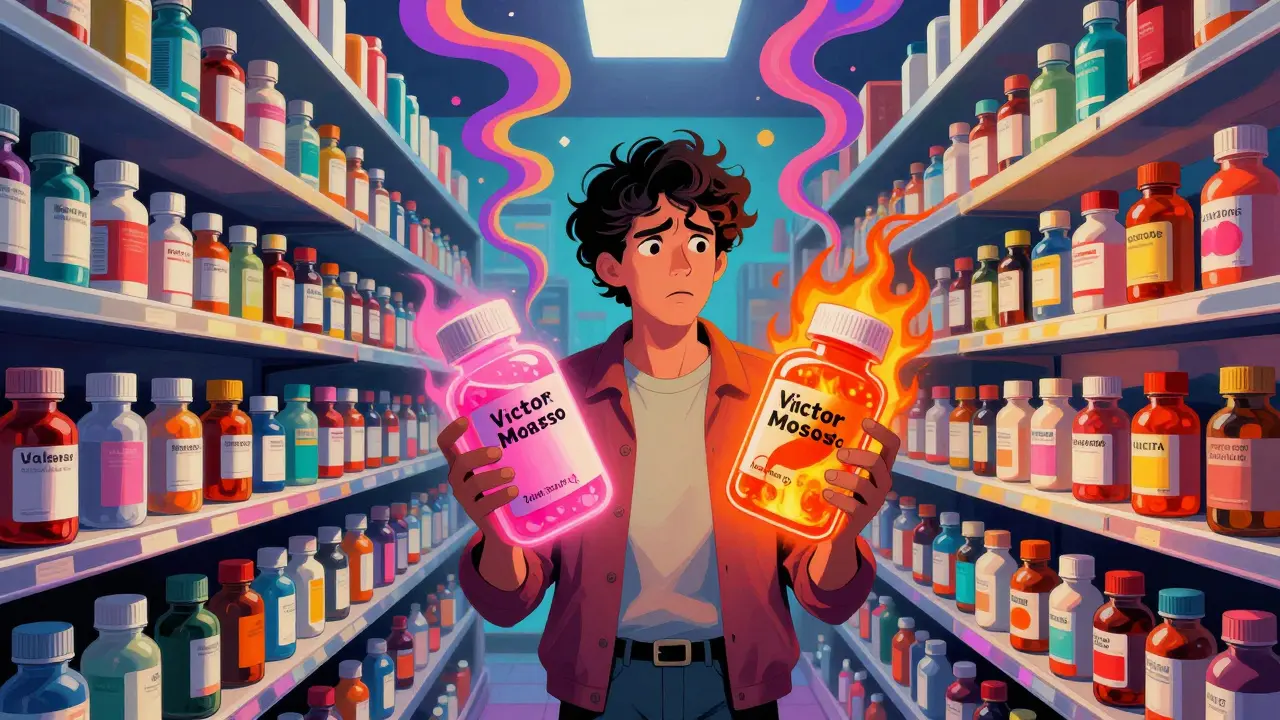
Walking through the pharmacy aisle feels a lot like walking through a maze sometimes. You grab a bottle labeled as an antihistamine, only to find out later it does nothing for your hay fever. Or maybe you took something for heartburn that made you feel too groggy to drive. This confusion happens because most people don't realize there are two completely different types of histamine blockers hiding behind similar-sounding names. One fights allergies, while the other tackles stomach acid.
If you have ever asked yourself why a doctor prescribed Pepcid instead of Zyrtec, the answer lies in how your body talks to itself. Histamine is a chemical messenger that triggers reactions. Sometimes those reactions are good, like helping your immune system fight infection, but often they cause chaos-like swollen eyes or burning chest pain. Understanding the difference between H1 and H2 blockers saves you from wasting money on the wrong pills.
The Basics: What Are These Blockers?
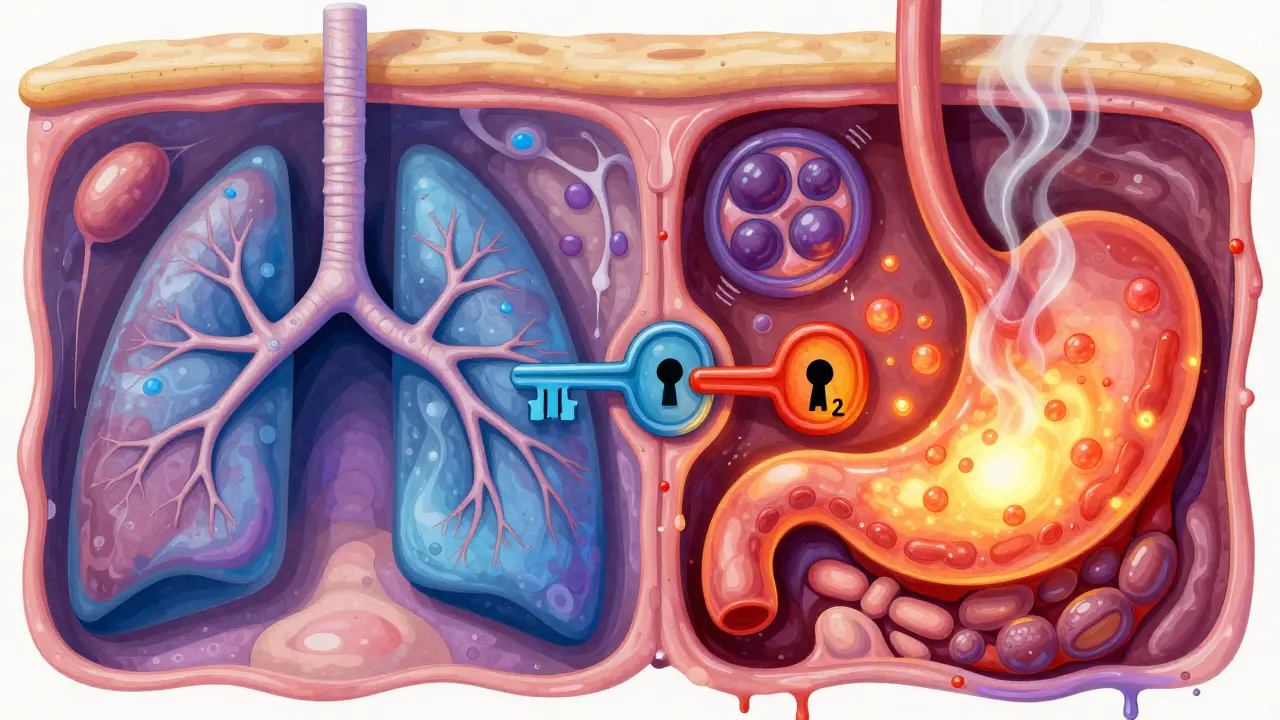
To understand the drugs, you need a quick look at the target. Think of histamine receptors like locks on doors inside your cells. Histamine is the key that fits into them. Depending on which door gets opened, your body reacts differently.
H1 blockers target H1 receptors found in the brain, airways, and skin to stop allergy symptoms. They prevent histamine from binding there. Common names include First-generation H1 antagonists like diphenhydramine, which was developed back in the 1940s. Because they cross the blood-brain barrier easily, they tend to make people sleepy. Newer versions, called second-generation, were created specifically to keep you awake while still fighting the itch.
H2 blockers focus on H2 receptors located mostly in the stomach lining. Their job is to stop acid production. If you eat spicy food and get heartburn, H2 blockers help shut down that fire. Drugs here include famotidine, which became widely available in the 1980s. Unlike their H1 cousins, these rarely affect your alertness.
Deep Dive: H1 Blockers for Allergy Relief
When spring rolls around in Sydney and everyone is sneezing near gumtrees, you are likely reaching for an H1 blocker. These are the heavy lifters for seasonal allergies, hives, and insect bites. The market splits them into generations, which matters more than just the brand name.
First-Generation Options
The original formulas, such as Benadryl (diphenhydramine), are potent but come with a cost. Studies show that between 30% and 50% of users experience significant drowsiness. This isn't just feeling tired; it impacts reaction time. That is why older adults face a higher risk of falls when taking these daily. While effective for acute reactions, modern guidelines suggest avoiding them unless you intend to sleep immediately after taking them.
Second and Third-Generation Options
Newer formulations changed the game. Medications like Loratadine (Claritin) and Fexofenadine (Allegra) were engineered to bypass the blood-brain barrier. Clinical data indicates they cause drowsiness in only about 10-15% of patients compared to the older group. For anyone driving to work or attending school, these are the gold standard. They start working within one to three hours and last a full day, meaning you usually only need one pill.
Deep Dive: H2 Blockers for Digestive Health
You might assume all "histamine" blockers treat the same thing, but H2 blockers live in a different world. They deal with Gastroesophageal Reflux Disease (GERD) and peptic ulcers. If you wake up with a sour taste in your mouth, this is your category.
Famotidine (Pepcid) is currently the leading choice. It reduces gastric acid production by approximately 70% per dose for up to 12 hours. It is fast-acting but doesn't work instantly like a Tums tablet. You typically take it 30 to 60 minutes before a meal. A critical point to remember involves a major recent shift: Ranitidine (Zantac) was pulled from shelves globally in 2020 due to contamination concerns found by regulators. If you see old bottles in your cupboard, check the date. Switching to famotidine is now the safe recommendation for long-term maintenance.
| Feature | H1 Blockers (Allergy) | H2 Blockers (Stomach) |
|---|---|---|
| Primary Target | Airways, Skin, Brain | Stomach Parietal Cells |
| Common Uses | Sneezing, Itching, Runny Nose | Heartburn, Ulcers, GERD |
| Main Side Effect | Drowsiness (1st Gen) | Headache, Dizziness |
| Duration of Action | 4-24 Hours | 10-12 Hours |
| Brand Examples | Claritin, Zyrtec, Benadryl | Pepcid, Tagamet |
Side Effects: What You Need to Watch For
Every medication carries a trade-off. While we prefer side-effect-free options, biology rarely works that way. Knowing what to expect helps you manage the risks.
With H1 blockers, the biggest complaint is the "morning hangover." About 38% of users report next-day grogginess with older drugs. Dry mouth happens in roughly 25% of cases. For elderly patients over 65, there is a serious safety warning known as the Beers Criteria. It flags first-generation antihistamines as potentially harmful due to cognitive impairment and fall risks. Always talk to a doctor before giving these to seniors.
H2 blockers generally feel gentler on your system but aren't invisible. Headaches occur in about 12% of users. Some people report dizziness or constipation. There is also a specific interaction issue with Cimetidine (Tagamet). It inhibits liver enzymes called cytochrome P450, which can interfere with how your body processes up to 40% of other commonly prescribed medications. Famotidine avoids most of these interaction problems, which is why it is preferred today.
Choosing the Right Time for Medication
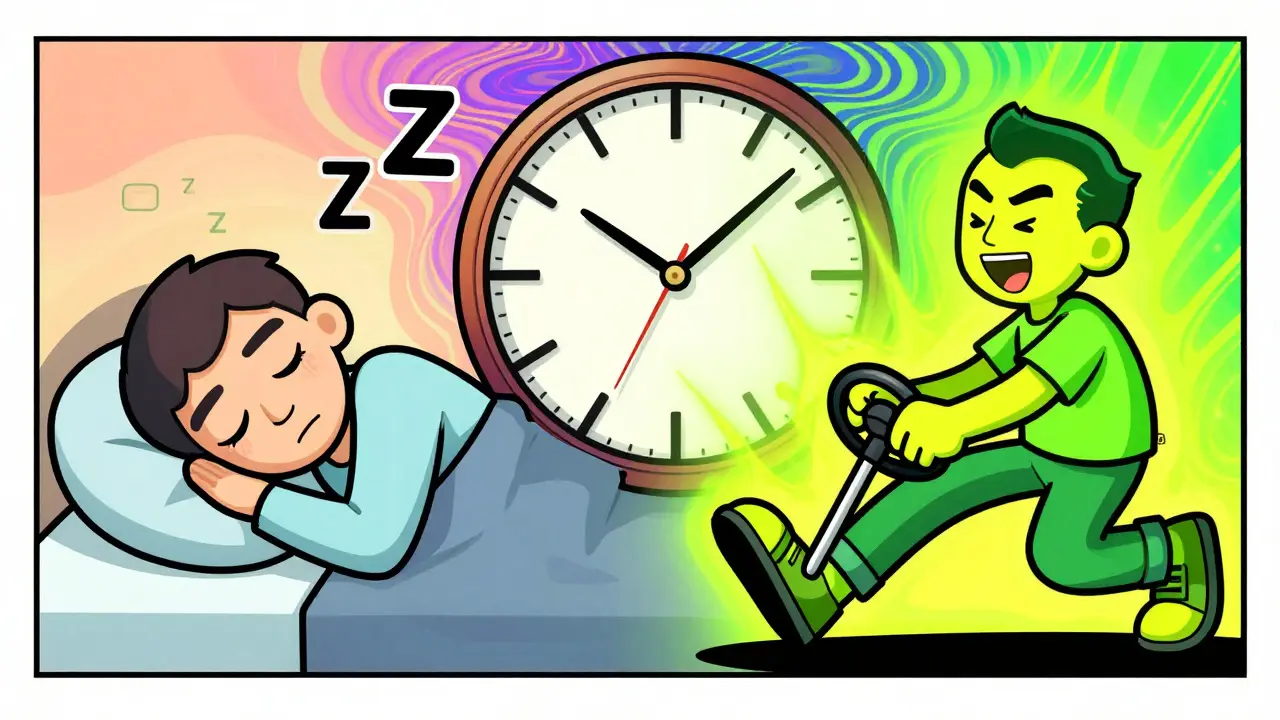
Timing changes effectiveness. For H1 blockers treating allergies, consistency beats panic dosing. Take it daily during high pollen season rather than waiting until you are miserable. H2 blockers work best if taken 30 to 60 minutes before eating. Eating immediately neutralizes some of the benefit. However, do not exceed recommended doses. Long-term use of H2 blockers can sometimes lead to tolerance, where the medicine stops working as well over months-a phenomenon called tachyphylaxis reported by about 25% of long-term users.
A surprising area of overlap involves heart health. Recent studies suggest both receptor types play roles in cardiac function. Some trials are investigating combined therapy for heart failure, though this remains experimental. For now, stick to approved uses: allergy relief for H1 and acid control for H2.
Summary of Best Practices
- Allergy sufferers: Stick to second-generation H1 blockers like loratadine to stay alert during the day.
- Sleep issues: If you need aid falling asleep, first-generation options like diphenhydramine work, but ask a doctor first.
- Heartburn: Use famotidine before meals or bed, especially if proton pump inhibitors upset your stomach.
- Elderly care: Avoid first-generation antihistamines entirely to prevent confusion or falls.
- Drug checks: Always mention H2 blockers to your pharmacist to avoid interactions with other meds.
Can I take H1 and H2 blockers together?
Yes, it is generally safe to take both since they target different systems. Doctors sometimes prescribe them together for severe urticaria (hives) or complex digestive-allergy overlaps, but always verify with your provider.
Why was Zantac removed from stores?
Ranitidine (Zantac) was recalled in 2020 due to traces of NDMA, a probable carcinogen found in samples. Regulatory agencies banned its sale, prompting a switch to alternatives like Famotidine.
Do these drugs interact with alcohol?
First-generation H1 blockers significantly increase the sedative effects of alcohol, making you dangerously sleepy. H2 blockers interact less severely, but caution is still advised.
How long does it take for H1 blockers to work?
Older types work in 15-30 minutes but fade quickly. Newer ones may take 1-3 hours to reach peak effect but last up to 24 hours.
Are over-the-counter options effective?
Most second-generation H1 blockers and many H2 blockers are available without prescriptions. Users report high satisfaction rates around 72% for allergy symptom relief with these OTC options.
Cullen Zelenka
April 2, 2026 AT 07:28Benadryl knocks me out instantly so I switched to the second generation pills for driving
Eleanor Black
April 3, 2026 AT 14:35It is quite alarming to consider the risks associated with first-generation antihistamines for older relatives. Many families overlook the Beers Criteria until an unfortunate incident occurs during daily activities. Cognitive impairment is not just a minor inconvenience but a serious safety hazard involving fall risks. One must always prioritize the safety of seniors when choosing over-the-counter medications. The interaction with alcohol further complicates the situation significantly during holiday seasons. Switching to second-generation options provides relief without compromising alertness levels. Pharmacists often recommend these newer formulations for better management of symptoms. It is essential to read labels thoroughly before purchasing any medication bottle. Understanding the blood-brain barrier helps explain why drowsiness happens frequently. Second-generation drugs bypass this barrier more effectively than their predecessors. We should educate ourselves on these distinctions rather than relying solely on marketing names. The withdrawal of Ranitidine was indeed a necessary step for public health safety. Trace contaminants can pose long-term risks that are difficult to detect initially. Trustworthy alternatives exist today that maintain efficacy without the previous dangers. Consistent communication with healthcare providers ensures the safest path forward for everyone. 💊⚕️🛡️
Rod Farren
April 4, 2026 AT 22:24The cytochrome P450 inhibition by cimetidine creates significant pharmacokinetic interactions with warfarin and other substrates. Clinicians need to monitor INR values closely when these agents overlap.
Cara Duncan
April 6, 2026 AT 00:24Pepcid worked wonders for my spicy food nights last week 🌶️✨
Julian Soro
April 6, 2026 AT 13:38Timing is everything when you want the acid reduction to kick in before digestion starts. You took it exactly right by planning ahead.
Rocky Pabillore
April 7, 2026 AT 05:01Most individuals seem incapable of distinguishing receptor subtypes despite basic medical literature availability. It is disappointing that confusion persists in such a common area.
Sharon Munger
April 8, 2026 AT 12:25its okay to feel confused though and learning takes time for anyone really
Arun Kumar
April 10, 2026 AT 03:43In many regions famotidine is available easily but brand names vary greatly across different borders
James DeZego
April 11, 2026 AT 10:38Regulatory agencies handle recalls differently which is why stock varies by country 🌍💊