
Grifulvin V is not a drug you hear about every day, but for people fighting stubborn fungal infections-especially on the scalp, nails, or skin-it can be a game-changer. Unlike topical creams or shampoos that only treat the surface, Grifulvin V works from the inside out. It’s an oral antifungal medication, and its active ingredient is griseofulvin. This isn’t new science; it’s been around since the 1950s. But that doesn’t mean it’s outdated. For certain types of ringworm, athlete’s foot, and nail fungus, especially in children, Grifulvin V is still one of the most reliable options doctors reach for.
How Grifulvin V Actually Works
Griseofulvin, the active ingredient in Grifulvin V, doesn’t kill fungi outright. Instead, it stops them from growing. Fungi need to divide and spread to infect more tissue. Griseofulvin interferes with their cell division by binding to microtubules-tiny structures inside fungal cells that help them split and multiply. Without proper microtubule function, the fungus can’t spread, and your body’s immune system gets a chance to clear it out.
This is why Grifulvin V takes weeks, sometimes months, to work. You won’t see results overnight. A scalp infection might need 4 to 8 weeks of daily doses before you notice less flaking or hair regrowth. Nail fungus? That can take 6 to 12 months. The fungus grows slowly, and so does the healing. Patience isn’t optional-it’s part of the treatment plan.
Who Gets Prescribed Grifulvin V?
Grifulvin V is most commonly used for:
- Scalp ringworm (tinea capitis), especially in children
- Ringworm of the body (tinea corporis) that doesn’t respond to creams
- Fungal nail infections (onychomycosis), particularly when the infection is deep or widespread
- Chronic athlete’s foot (tinea pedis) that keeps coming back
It’s not used for yeast infections like candida, or for infections in the lungs or bloodstream. Those need different drugs. Griseofulvin only works on dermatophytes-the type of fungi that live on skin, hair, and nails. If your doctor prescribes Grifulvin V, they’ve already ruled out other causes and confirmed it’s a dermatophyte infection, usually through a skin scraping or fungal culture.
Dosing and How to Take It Right
Grifulvin V comes in tablet form, usually 125 mg or 250 mg. The dose depends on your weight and the type of infection. For kids with scalp ringworm, it’s often 10 mg per kilogram of body weight per day. For adults with nail fungus, it might be 500 mg to 1 gram daily.
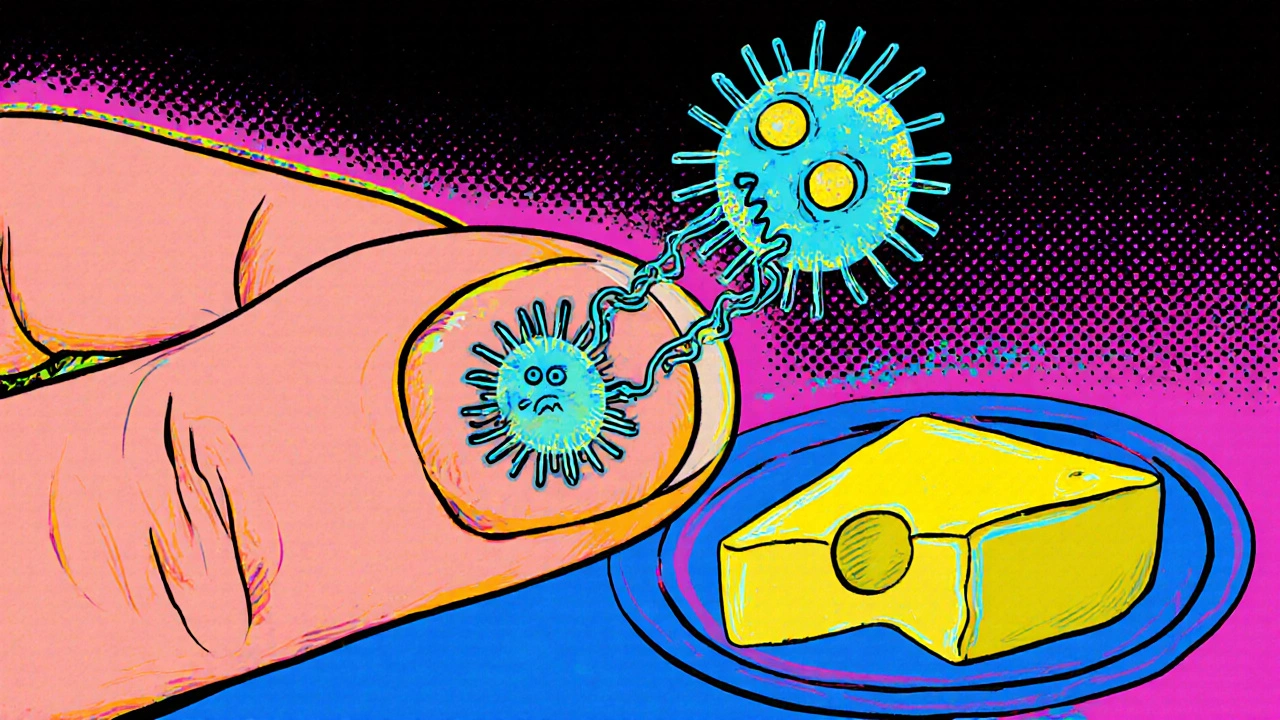
Here’s the key: take it with a fatty meal. Griseofulvin doesn’t absorb well on an empty stomach. A glass of milk, a spoonful of peanut butter, or a meal with cheese or avocado can boost absorption by up to 50%. Skip the water-only approach. You’re wasting the medication.
Most people take it once a day, but some doctors split the dose-half in the morning, half at night-to keep steady levels in the blood. Stick to the schedule. Missing doses slows down healing and increases the chance the fungus will come back.
Side Effects: What to Watch For
Grifulvin V is generally well-tolerated, but it’s not side-effect free. The most common issues are:
- Headaches
- Nausea or upset stomach
- Dizziness
- Fatigue
- Light sensitivity (you might burn easier in the sun)
Less common but more serious risks include liver problems, allergic reactions (rash, swelling), and blood cell changes. If you notice yellowing of the skin or eyes, dark urine, or unusual bruising, stop taking it and call your doctor immediately.
It’s also not safe during pregnancy. Griseofulvin can harm a developing fetus. If you’re trying to get pregnant or think you might be, tell your doctor before starting. Use reliable birth control while on this drug and for at least one month after stopping.
Drug Interactions You Can’t Ignore
Grifulvin V plays well with some meds but clashes badly with others. Here are the big ones:
- Birth control pills: Griseofulvin can make them less effective. Use a backup method like condoms.
- Alcohol: Can increase dizziness and liver stress. Avoid drinking while taking it.
- Warfarin: Griseofulvin may increase bleeding risk. Your INR levels need closer monitoring.
- Barbiturates or phenytoin: These can make griseofulvin less effective by speeding up how fast your liver breaks it down.
- Cyclosporine: Griseofulvin may raise levels of this immunosuppressant, increasing toxicity risk.
Always give your pharmacist and doctor a full list of everything you take-even vitamins, herbal supplements, or over-the-counter painkillers. Griseofulvin doesn’t just interact with prescriptions. Some herbal products, like St. John’s Wort, can interfere too.
Why It’s Still Used in 2025
You might wonder: if there are newer antifungals like terbinafine or itraconazole, why use Grifulvin V at all? The answer is simple: cost, safety in kids, and effectiveness for specific cases.
Terbinafine works faster for nail fungus-but it’s more expensive and carries a higher risk of liver damage. Itraconazole has more drug interactions. Griseofulvin, on the other hand, has decades of safety data in children. For a 6-year-old with scalp ringworm, Grifulvin V is often the first choice because it’s proven, affordable, and gentle on developing bodies.
It’s also available as a generic. A 30-day supply can cost under $20 in the U.S. without insurance. That’s a big deal when you’re treating a chronic infection that lasts months.
What Happens If You Stop Too Early?
Stopping Grifulvin V before the full course is done is one of the biggest reasons fungal infections come back. The fungus isn’t dead-it’s just slowed down. If you stop after two weeks because your scalp looks better, the remaining spores will start growing again. Within weeks, the infection returns, often worse than before.
Your doctor will tell you how long to take it based on the type of infection. Don’t guess. If you’re unsure, call your clinic. Take photos of the affected area every few weeks. That way, you and your doctor can track progress objectively.

Alternatives to Grifulvin V
There are other options, but they’re not always better:
| Medication | Best For | Duration | Cost (30-day) | Key Risks |
|---|---|---|---|---|
| Grifulvin V (griseofulvin) | Scalp ringworm, mild nail infections | 6-12 months | $15-$30 | Light sensitivity, liver stress |
| Terbinafine (Lamisil) | Nail fungus, athlete’s foot | 6-12 weeks | $50-$120 | Liver toxicity, taste loss |
| Itraconazole (Sporanox) | Nail and skin infections | 3-6 months | $80-$200 | Heart issues, drug interactions |
| Topical creams (clotrimazole) | Superficial skin infections | 2-4 weeks | $10-$25 | Doesn’t work on nails or scalp |
For most adults with nail fungus, terbinafine is now the go-to because it works faster and has fewer long-term side effects. But for kids, or people who can’t afford newer drugs, Grifulvin V remains a solid, trusted option.
How to Know If It’s Working
You won’t feel better right away. But you’ll see changes:
- For scalp ringworm: Less scaling, fewer broken hairs, new hair growth in bald patches
- For nail fungus: A new, healthy nail growing from the base-this can take 3-6 months to become visible
- For skin infections: Redness fades, itching stops, edges of the rash stop spreading
Take monthly photos. Compare them side by side. Progress is slow, but it’s real. If after 8 weeks there’s no change at all, talk to your doctor. You might need a different treatment or a higher dose.
Preventing Re-infection
Fungal infections love warm, damp places. Even after you finish Grifulvin V, you can get it again if you don’t change your habits:
- Wash your hair and body regularly, especially after sweating
- Don’t share combs, hats, or towels
- Wear flip-flops in public showers and pools
- Keep your feet dry. Change socks daily. Use antifungal powder if you’re prone to athlete’s foot
- Disinfect shoes with antifungal spray or UV light devices
- Wash bedding and pillowcases weekly during treatment
For kids with scalp ringworm, replace combs and brushes after starting treatment. Fungal spores can survive on these for months.
Can Grifulvin V cure nail fungus completely?
Yes, but it takes time. Grifulvin V can cure nail fungus in about 60-70% of cases, but only if taken correctly for the full 6 to 12 months. The new, healthy nail grows slowly from the base. If you stop early, the infection almost always returns. Patience and consistency are key.
Is Grifulvin V safe for children?
Yes, it’s one of the safest oral antifungals for kids, especially for scalp ringworm. It’s been used for over 60 years in children as young as 2 years old. Side effects are usually mild-headache or upset stomach. Doctors prefer it over newer drugs like terbinafine in kids because of its long safety record.
Does Grifulvin V make you more sensitive to the sun?
Yes. Griseofulvin can cause photosensitivity. You may burn more easily or develop a rash in sunlight. Wear sunscreen (SPF 30+), protective clothing, and avoid tanning beds while taking it. This effect usually fades within a week after stopping the medication.
Can I drink alcohol while taking Grifulvin V?
It’s best to avoid alcohol. While it doesn’t cause a severe reaction like with metronidazole, alcohol can increase the risk of liver stress and dizziness. Since Grifulvin V is already processed by the liver, adding alcohol puts extra strain on it. Skip the drinks until you’re done with the course.
How long after stopping Grifulvin V can I get pregnant?
Wait at least one month after your last dose. Griseofulvin can stay in your system for a few weeks, and there’s a risk it could affect early fetal development. If you’re planning pregnancy, talk to your doctor before starting the medication. Use reliable birth control during treatment and for one month after.
Final Thoughts
Grifulvin V isn’t flashy. It doesn’t promise quick results. But for fungal infections that won’t quit-especially in children or when cost matters-it’s a quiet hero. It’s not for everyone. If you have liver disease, are pregnant, or are on other medications, talk to your doctor first. But if you’re dealing with stubborn ringworm or nail fungus, and your doctor recommends it, give it the time it needs. Follow the dosing, take it with food, avoid the sun, and don’t quit early. The fungus is slow. So is healing. But done right, Grifulvin V can get you back to normal skin and nails-without surgery, without lasers, without breaking the bank.
Jenny Lee
November 18, 2025 AT 17:12Just finished my 8-month Grifulvin V course for nail fungus-my toes look normal again. 🎉 Took patience, but it worked. Don't quit early.
Ram tech
November 19, 2025 AT 15:39griseofulvin? lol why not just use terbinafine? this stuff is like using a typewriter in 2025
Jeff Hakojarvi
November 21, 2025 AT 02:24Hey Ram, I get it-newer drugs seem better, but if you’re treating a 5-year-old with scalp ringworm? Grifulvin V is the gold standard. Less liver risk, cheaper, and tons of pediatric data. Terbinafine? I’ve seen kids lose taste for months. Not worth it unless you have to.
Hannah Blower
November 22, 2025 AT 05:30Let’s be real-this is Big Pharma’s way of keeping generics alive so they can charge $15 for a drug that should cost $2. The ‘60 years of safety’ argument is just nostalgia dressed as science. Modern antifungals don’t require you to become a hermit to avoid sunlight.
Gregory Gonzalez
November 23, 2025 AT 02:25Oh wow, so we’re romanticizing 1950s medicine now? Next you’ll tell me penicillin is still the best antibiotic because ‘it’s been around forever.’
Samkelo Bodwana
November 23, 2025 AT 10:48I’ve been on Grifulvin V for 10 months now for tinea unguium. I won’t lie-it’s been a grind. But I’ve seen people on terbinafine crash with liver enzymes, and I’ve seen others give up at week 6 and come back with worse infections. This isn’t about being old-school-it’s about knowing your body and sticking with what works. Also, taking it with peanut butter? Genius. My doctor never told me that.
Emily Entwistle
November 24, 2025 AT 21:34PEANUT BUTTER?! 😱 I’ve been taking it with water… no wonder nothing changed. I’m switching tonight. Thank you!! 🙏
mithun mohanta
November 25, 2025 AT 12:09Griseofulvin? The microtubule disruption mechanism is fascinating, but frankly, the pharmacokinetics are archaic-low bioavailability, erratic absorption, and CYP450 induction that makes concomitant use with anything beyond aspirin a clinical nightmare. The fact that this is still first-line for pediatric tinea capitis speaks volumes about the inertia in clinical guidelines. We’re not treating infections-we’re preserving historical artifacts.
Ronald Stenger
November 27, 2025 AT 09:20Why are Americans still using this when Europe switched to terbinafine as first-line in 2010? This is why our healthcare system is broken-sticking to cheap junk because someone’s insurance won’t cover the real medicine. We’re not innovating, we’re just surviving.
Ancel Fortuin
November 27, 2025 AT 09:59Did you know the FDA approved this in 1958? That’s the same year the CIA started mind control experiments. Coincidence? I think not. They’re keeping this drug alive so they can track who’s taking it. Your liver, your nails, your soul-all monitored. And don’t even get me started on the sunlight thing-why do you think they call it ‘photosensitivity’? It’s not a side effect. It’s a feature.
Timothy Uchechukwu
November 28, 2025 AT 22:47In Nigeria we use neem oil and turmeric paste for ringworm. Why are we importing 1950s American pills? This is cultural imperialism disguised as medicine. Your scalp is not a lab experiment. Respect your roots.
Jeff Hakojarvi
November 30, 2025 AT 03:26Timothy, I get it-you want natural remedies. But for scalp ringworm in kids? Neem oil doesn’t penetrate the hair follicle. Griseofulvin does. I’ve seen kids go from bald patches to full hair in 8 weeks. That’s not imperialism-that’s science. And yeah, it’s cheap. Maybe that’s why it’s still used. Not because we’re lazy, but because it works when nothing else does.