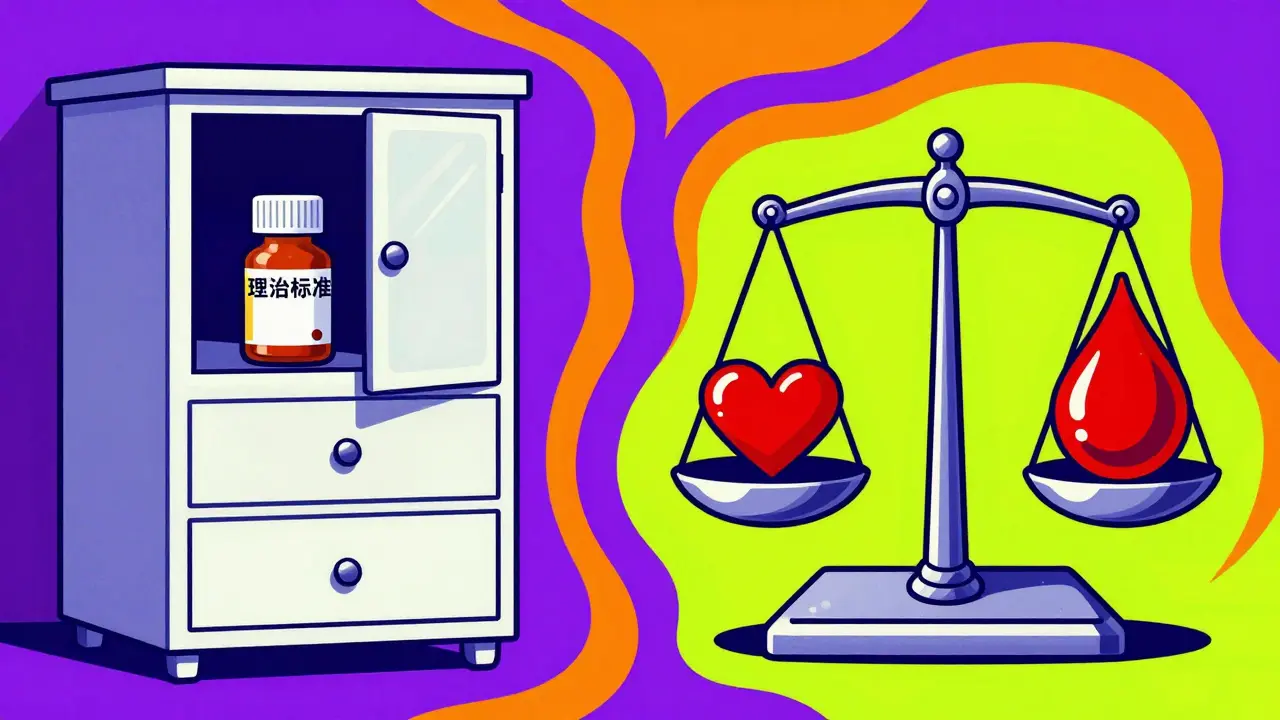
For decades, taking a baby aspirin every morning felt like a gold standard for heart health. It was the simple, cheap insurance policy against a heart attack or stroke. But the medical landscape has shifted. What was once a blanket recommendation for middle-aged and older adults is now a cautious, individualized decision. The hard truth is that for many people, the risk of a dangerous internal bleed now outweighs the modest chance of preventing a cardiovascular event.
If you are taking Aspirin is a salicylate medication used to reduce pain, fever, or inflammation, and in low doses, to act as an antiplatelet agent to prevent blood clots for "primary prevention"-meaning you've never had a heart attack or stroke-you might be in a group that should actually stop. The goal has moved from "everyone over 50" to a precise calculation of risk versus reward.
The Big Shift in Heart Health Guidelines
The change didn't happen overnight, but the 2022 update from the U.S. Preventive Services Task Force (USPSTF) served as a turning point. They essentially reversed their previous stance on adults aged 50-59. While they once suggested aspirin for those with a 10% risk of heart disease, they now advise against starting a daily regimen for adults 60 and older.
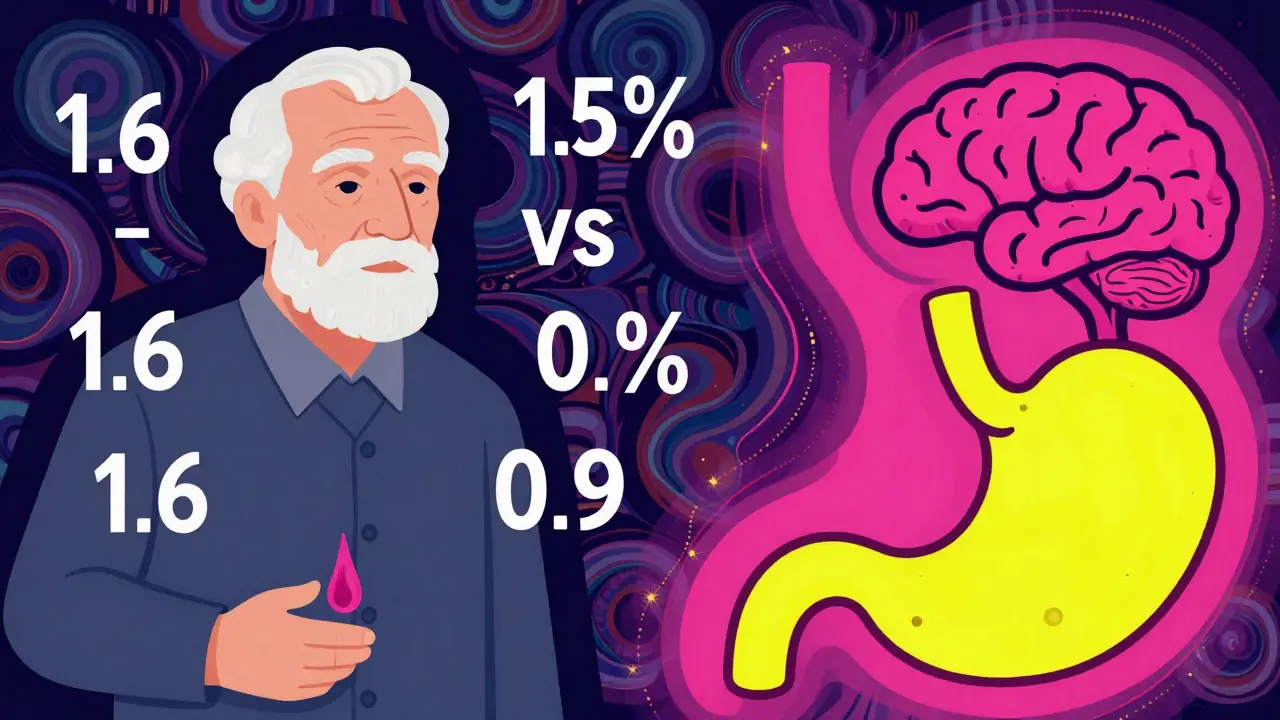
Why the reversal? It comes down to a numbers game. In people 60 and older, the data shows an absolute increase in major bleeding events of about 1.6 cases per 1,000 person-years. Compare that to a reduction of only 0.9 myocardial infarctions (heart attacks) per 1,000 person-years. Mathematically, you're more likely to suffer a bleed than you are to prevent a heart attack. This is why aspirin primary prevention is no longer a routine suggestion.
Who Should Definitely Skip the Daily Dose?
Not everyone reacts to aspirin the same way, but certain red flags make daily doses far too risky. You should generally avoid daily aspirin for primary prevention if you fall into these categories:
- Adults 60 and older: As mentioned, the bleeding risk spikes significantly with age.
- People with a history of GI issues: If you've had stomach ulcers or chronic gastritis, aspirin can trigger severe gastrointestinal bleeding.
- Those on other blood thinners: If you already take anticoagulants or frequent NSAIDs (like ibuprofen), adding aspirin creates a "compounding effect" that makes bleeding much harder to stop.
- Low-risk individuals: If your 10-year risk of cardiovascular disease is low, there is virtually no benefit to taking the drug.
When Does it Still Make Sense?
Aspirin isn't "bad"-it's just specific. There is a massive difference between primary prevention (preventing the first event) and secondary prevention (preventing a second event after you've already had a heart attack). For secondary prevention, aspirin remains a lifesaver.
For those still in the "primary" category, the decision usually hinges on a 10-year risk score. Doctors use tools like the Pooled Cohort Equations, which is a validated clinical tool used to estimate the 10-year risk of a first hard ASCVD event . If you are between 40 and 59 and have a risk score of 10% or higher, and your bleeding risk is low, your doctor might still suggest a low dose (75-100 mg).
Some specialists also look at "tie-breakers" like a CAC Score, which is a Coronary Artery Calcium score measured via CT scan to quantify calcified plaque in the heart arteries . If your calcium score is very high (e.g., over 100 or 300), some cardiologists argue that the benefit of aspirin returns, even if the general guidelines say to stop.
| Age Group | Guideline Recommendation | Primary Driver | Risk Level |
|---|---|---|---|
| 40-59 years | Individual Decision (Grade C) | CVD Risk Score >10% | Moderate |
| 60+ years | Generally Recommended Against | Increased Bleeding Risk | High |
| Prior Heart Attack/Stroke | Strongly Recommended | Secondary Prevention | Low (Benefit outweighs risk) |

The Hidden Danger: Gastrointestinal and Brain Bleeds
When we talk about "bleeding risk," it sounds vague. In reality, it's quite concrete. The meta-analysis of 11 trials shows that while aspirin can reduce nonfatal heart attacks by about 11%, it increases the risk of major gastrointestinal bleeding by a staggering 43%. Even more concerning is the 38% increase in the risk of intracranial hemorrhage-bleeding in the brain.
These aren't just statistics; they are real-life complications. In patient reviews on health forums, a significant number of seniors report "stomach pain" or "heartburn" that turns out to be erosion of the stomach lining. This is why many primary care physicians are now quicker to discontinue the drug than cardiologists, who may be more focused on the heart-specific benefits.
Navigating the Conversation with Your Doctor
You might find yourself getting conflicting advice. Your family doctor might tell you to stop, while your cardiologist tells you to keep going. This usually happens because they are looking at different data points: one is looking at general population safety (USPSTF), and the other is looking at your specific arterial plaque (CAC score).
To get a clear answer, don't just ask "Should I take aspirin?" Instead, ask these specific questions:
- "What is my calculated 10-year CVD risk percentage?"
- "Based on my medical history, how high is my risk for a gastrointestinal bleed?"
- "Is my benefit from this medication measured in a way that actually outweighs the risk of a brain or stomach bleed?"
- "If I stop now, what is the actual statistical likelihood of me having an event in the next year?"
Be wary of the "fear of stopping." Many people continue taking aspirin because they are scared that stopping will "open the floodgates" to a heart attack. However, if you are over 60 and have no history of heart disease, the drug is more likely to cause a hospital visit for a bleed than it is to save you from a cardiac event.
Can I just take a baby aspirin once a week instead of daily?
There is very little clinical evidence to support "weekend" or weekly aspirin use for heart prevention. The antiplatelet effect is designed for consistent daily levels. If the daily dose is too risky for you, a weekly dose is generally not an effective alternative for prevention.
Is there a difference between enteric-coated aspirin and regular aspirin for bleeding?
Enteric coatings are designed to reduce stomach upset by delaying the release of the drug. However, they do not eliminate the risk of serious gastrointestinal bleeding or systemic bleeding issues. They make the pill easier to swallow and gentler on the stomach lining, but they don't change the overall risk-benefit profile for primary prevention.
If I have diabetes, does that change the rules?
Yes, it can. Recent guidelines suggest that adults with diabetes aged 40-70 with a 10-year ASCVD risk of 15% or more might still consider low-dose aspirin if their bleeding risk is low. However, this is still a "may be considered" (Class IIb) recommendation, meaning it requires a careful individual conversation with a doctor.
What happens if I stop taking aspirin suddenly?
For people in primary prevention (those who never had a heart attack), stopping is generally safe. However, if you are in secondary prevention (you've had a stent or a stroke), stopping suddenly can be dangerous. Always consult your physician before stopping any medication.
Are there safer alternatives to aspirin for preventing heart attacks?
For primary prevention, doctors now prioritize controlling blood pressure, managing LDL cholesterol (often with statins), and lifestyle changes. These interventions generally offer a much higher net benefit with far fewer dangerous side effects than daily aspirin.