
Blood Thinner Interaction Risk Estimator
How Aspirin and Blood Thinners Clash
To understand why this combination is risky, you first need to know that not all "blood thinners" work the same way. Your body has two main ways of stopping a leak: platelets (which act like a plug) and clotting factors (which act like cement). Aspirin targets the platelets, blocking the production of thromboxane A2. This makes it harder for your blood to form a primary plug.
Then you have Anticoagulants, also known as drugs that interfere with the chemical clotting cascade in the blood. These include older drugs like Warfarin and newer options like Rivaroxaban or Apixaban. When you take both, you are attacking the clotting process from two different angles. You've removed the plug and weakened the cement. The result? Your body struggles to stop even minor internal leaks.
Where the Bleeding Actually Happens
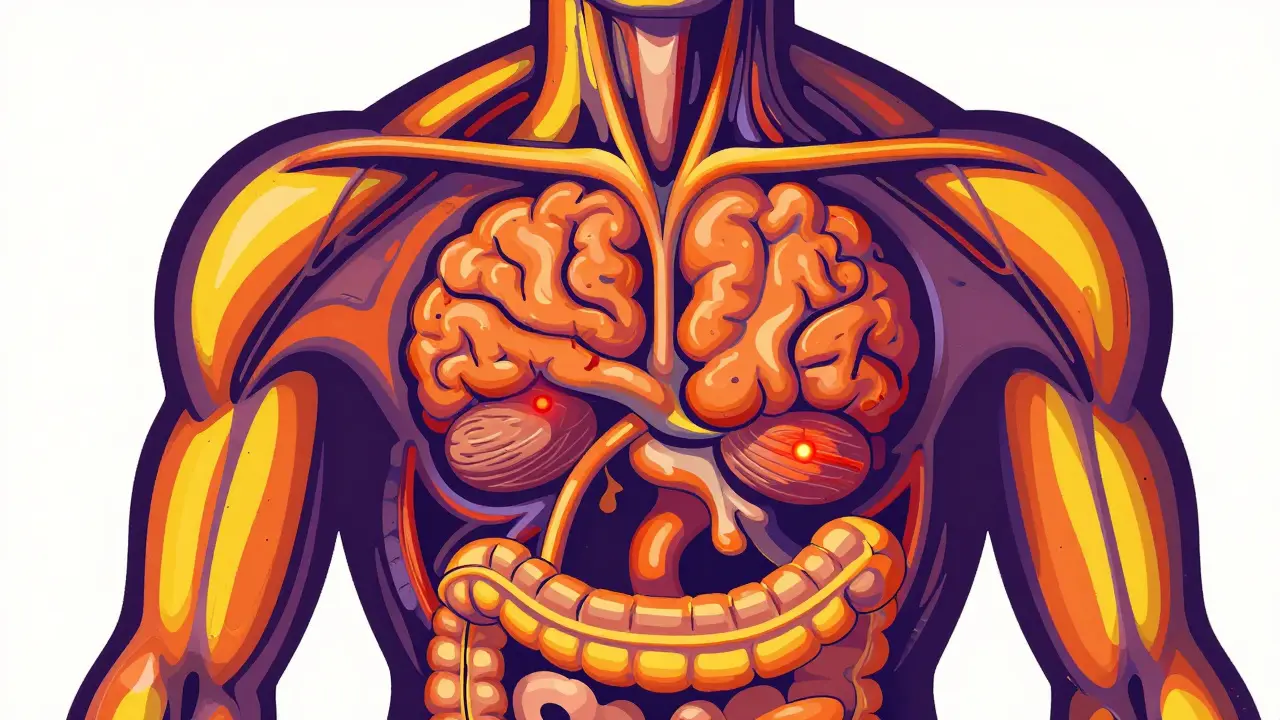
It isn't just about a cut that won't stop bleeding. The real danger is "occult bleeding"-leaks happening inside your organs where you can't see them. Research shows that the risk isn't spread evenly; some areas are much more vulnerable than others. For example, the risk of gastrointestinal bleeding is more than twice as high when these drugs are combined compared to using one alone. This often manifests as tarry, black stools or a sudden drop in hemoglobin levels leading to anemia.
Even more concerning is the risk to the brain. The ASPREE trial, which followed 19,000 healthy older adults, found that daily 100mg aspirin increased the risk of traumatic brain bleeding by 38% compared to those taking a placebo. When you add a prescription anticoagulant to the mix, the risk of an intracranial hemorrhage-bleeding inside the skull-jumps by more than three times. A simple trip and fall that would normally result in a bruise could instead lead to a life-threatening brain bleed.
| Organ System | Risk Multiplier (Approx.) | Common Signs |
|---|---|---|
| Intracranial (Brain) | 3.22x | Severe headache, confusion, vision changes |
| Gastrointestinal (Stomach/Gut) | 2.24x | Black/tarry stools, coffee-ground vomit |
| Urinary Tract | 1.57x | Pink or red-tinted urine |
| Pulmonary (Lungs) | 1.36x | Coughing up blood |
The Danger of "Over-the-Counter" Mix-ups
Many people don't realize that other common pain relievers act similarly to aspirin. If you are already on a prescription blood thinner, taking a few tablets of NSAIDs (Non-Steroidal Anti-Inflammatory Drugs) can be a recipe for disaster. For instance, mixing Naproxen with an anticoagulant can raise your bleeding likelihood by a staggering 4.1 times. Diclofenac follows closely with a 3.3-fold increase, while Ibuprofen increases the risk by about 1.79 times.
This is why you should never grab a random painkiller from the cabinet if you're on a regimen of NOACs (Novel Oral Anticoagulants). These modern drugs, like Dabigatran or Edoxaban, are designed to be more predictable than Warfarin, but they still react dangerously with antiplatelet agents. In fact, some studies indicate that Rivaroxaban may carry the highest bleeding risk among the newer anticoagulants when paired with aspirin.
Who is Most at Risk?
Not everyone reacts the same way to these drugs. Certain health conditions act as "risk multipliers." If you have hypertension (high blood pressure), the pressure in your small blood vessels is already high; adding blood thinners makes those vessels more likely to burst. People with kidney disease are also at a higher risk because their bodies may not clear the medication as efficiently, leading to higher drug levels in the bloodstream.
Age is another critical factor. The National Institute on Aging now warns against routine low-dose aspirin for healthy older adults. In these patients, the benefit of preventing a heart attack is often outweighed by the very real risk of a fall leading to a brain bleed. If you don't have a diagnosed cardiovascular condition or a mechanical heart valve, the "preventative" daily aspirin might actually be doing more harm than good.
Living Safely While on Combination Therapy
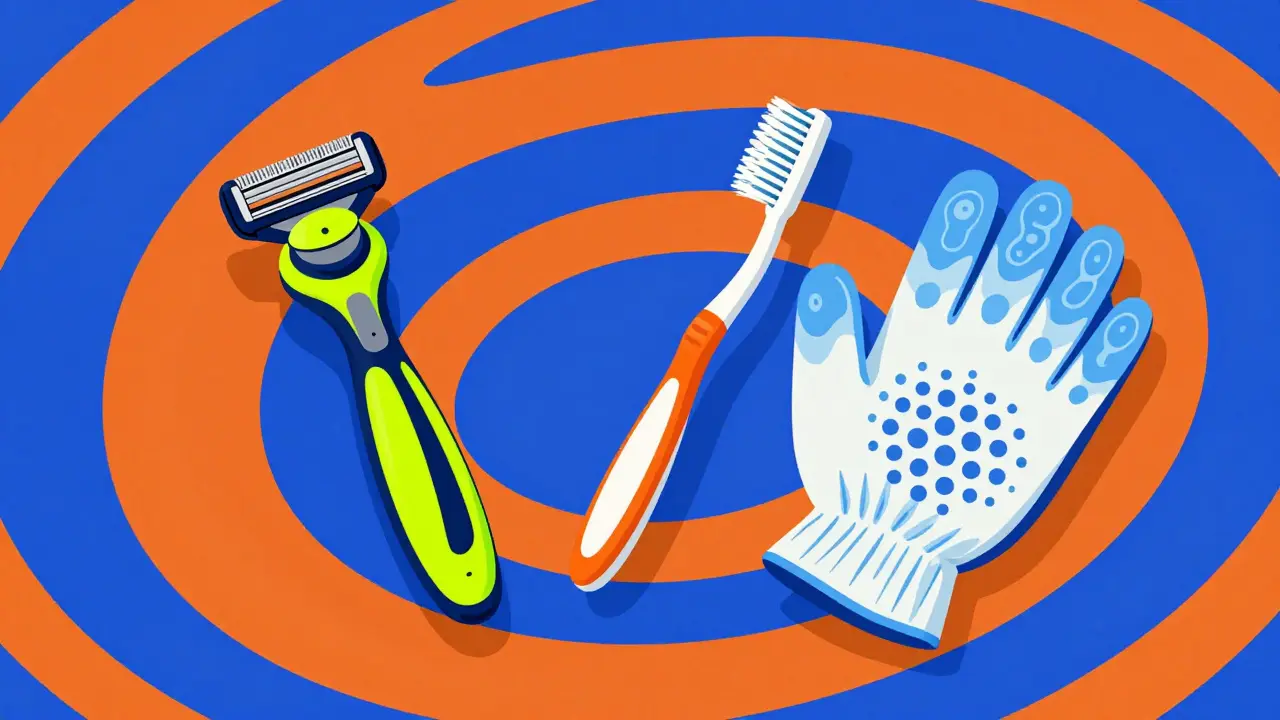
If your doctor has decided that the benefit of preventing a stroke or heart attack outweighs the bleeding risk, you can't just stop the meds-but you can change how you live. You need to treat your body as if it's "fragile." This means switching to an electric razor to avoid nicks and using a soft-bristle toothbrush to prevent gum bleeding. If you enjoy sports or gardening, wearing protective gear like knee pads or gloves can prevent the kind of small cuts that become major problems when your blood won't clot.
Watch for the subtle signs of internal bleeding. Unusual bruising (purpura) that appears without a known injury is a red flag. If you notice your urine looks like tea or your stools look like tar, seek medical help immediately. To protect your stomach lining, always take aspirin with food to mitigate indigestion and the risk of gastric ulcers.
Your medical team should be using tools like the HAS-BLED score to monitor your risk levels. Regular blood tests to check your hemoglobin levels are essential; if your hemoglobin drops without an obvious cause, you might have a slow internal leak that needs urgent attention.
Can I take a baby aspirin if I'm already on a prescription blood thinner?
You should never do this without your doctor's explicit approval. Even a "baby" dose of aspirin inhibits platelet function, which, when combined with an anticoagulant, significantly increases the risk of internal bleeding in the gut and brain.
What is the safest pain reliever to use with blood thinners?
Generally, Acetaminophen (Tylenol) is considered safer because it does not affect platelet function or the stomach lining in the same way that NSAIDs like Ibuprofen or Aspirin do. However, always check with your pharmacist first.
How do I know if I'm bleeding internally?
Look for "hidden" signs: stools that are black and sticky (like tar), urine that is pink or red, coughing up blood, or bruising that happens easily and doesn't go away. Extreme fatigue or dizziness can also signal anemia caused by slow internal bleeding.
Are all blood thinners the same when mixed with aspirin?
No. Older drugs like Warfarin have different interaction profiles than newer NOACs. For example, some evidence suggests Rivaroxaban may have a higher bleeding risk when combined with aspirin than other novel anticoagulants.
Why would a doctor ever prescribe both?
In specific high-risk cases, such as patients with mechanical heart valves or those who have recently had a major stent placement, the risk of a fatal blood clot is higher than the risk of a bleed. In these cases, a carefully monitored combination is necessary.